A good paint job is a system, not a single tin: a sound, dry surface, the right primer, putty where needed, and two coats of a paint made for that surface. Most peeling and patchy walls come from skipping a step, not from the brand.
The basic system for walls
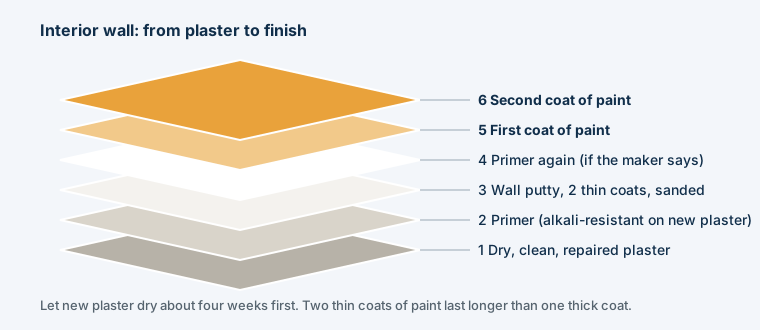
- Prepare the surface: dry, clean, free of dust, loose plaster, oil and old flaking paint.
- Primer: seals the surface so the paint sticks and spreads evenly.
- Wall putty (interiors): fills pores and small dents for a smooth finish, usually two thin coats, sanded.
- Primer again over putty, if the manufacturer recommends it.
- Two coats of finish paint. Two thin coats last longer and look better than one thick coat.
New plaster: be patient
Fresh cement plaster is wet and strongly alkaline. Painting too soon causes blistering, patches and peeling. Let new plaster dry thoroughly, commonly about four weeks in normal weather and longer in the monsoon, and use an alkali-resistant primer. IS 2395 covers painting concrete, masonry and plaster surfaces in detail.
Interior walls
| Paint | What it is | Good for |
|---|---|---|
| Distemper | Cheapest water-based finish; not washable | Budget rooms, rented spaces, stores |
| Interior emulsion | Acrylic plastic emulsion (IS 15489), sold as economy, premium and luxury ranges | Most rooms. Higher ranges are washable and resist stains |
| Textured and designer finishes | Thick, patterned coatings | Feature walls |
Finish (sheen) changes the look and upkeep: matt hides wall imperfections but marks easily; satin or eggshell is easier to wipe; gloss is the most washable and shows every flaw. For bedrooms, choose low-VOC paints and keep rooms ventilated while painting.
Exterior walls
Use exterior emulsion made for sun and rain; interior paint fails outside within a season or two. On walls with hairline cracks, an elastomeric or waterproof exterior coating stretches over small movements. Paint exteriors in dry weather, and not in the midday sun on hot walls.
Metal: grills, gates and railings
Remove rust with a wire brush and sandpaper, then apply a rust-inhibiting primer such as red oxide or zinc phosphate, followed by two coats of synthetic enamel (IS 2932 for exterior enamel). Never paint over loose rust; it keeps spreading underneath.
Wood: doors, windows and furniture
Fill cracks and nail holes, sand smooth, apply a wood primer, then enamel for a painted finish. For a natural wood look, use a clear finish such as PU or melamine polish, applied over a sanded, stained surface. End grain and the top and bottom edges of doors need sealing too, or they swell in the monsoon.
Common mistakes
- Painting on damp or freshly plastered walls.
- Skipping primer, or using interior primer outside.
- Thinning paint more than the tin allows, to "stretch" it.
- One thick coat instead of two thin ones.
- Not waiting the recoat time printed on the tin between coats.
- Buying all the paint at once without checking the colour on a test patch in daylight.
How much paint to buy
Quantities depend on the area, the number of coats and the coverage printed on the tin. Measure with the paint area calculator, then work out litres and the best mix of tins with the paint quantity, primer and putty calculators. How to calculate paint quantity explains the working.